
en
What's the difference between custodial and non-custodial wallets? Should you keep crypto on an exchange or in self-custody?
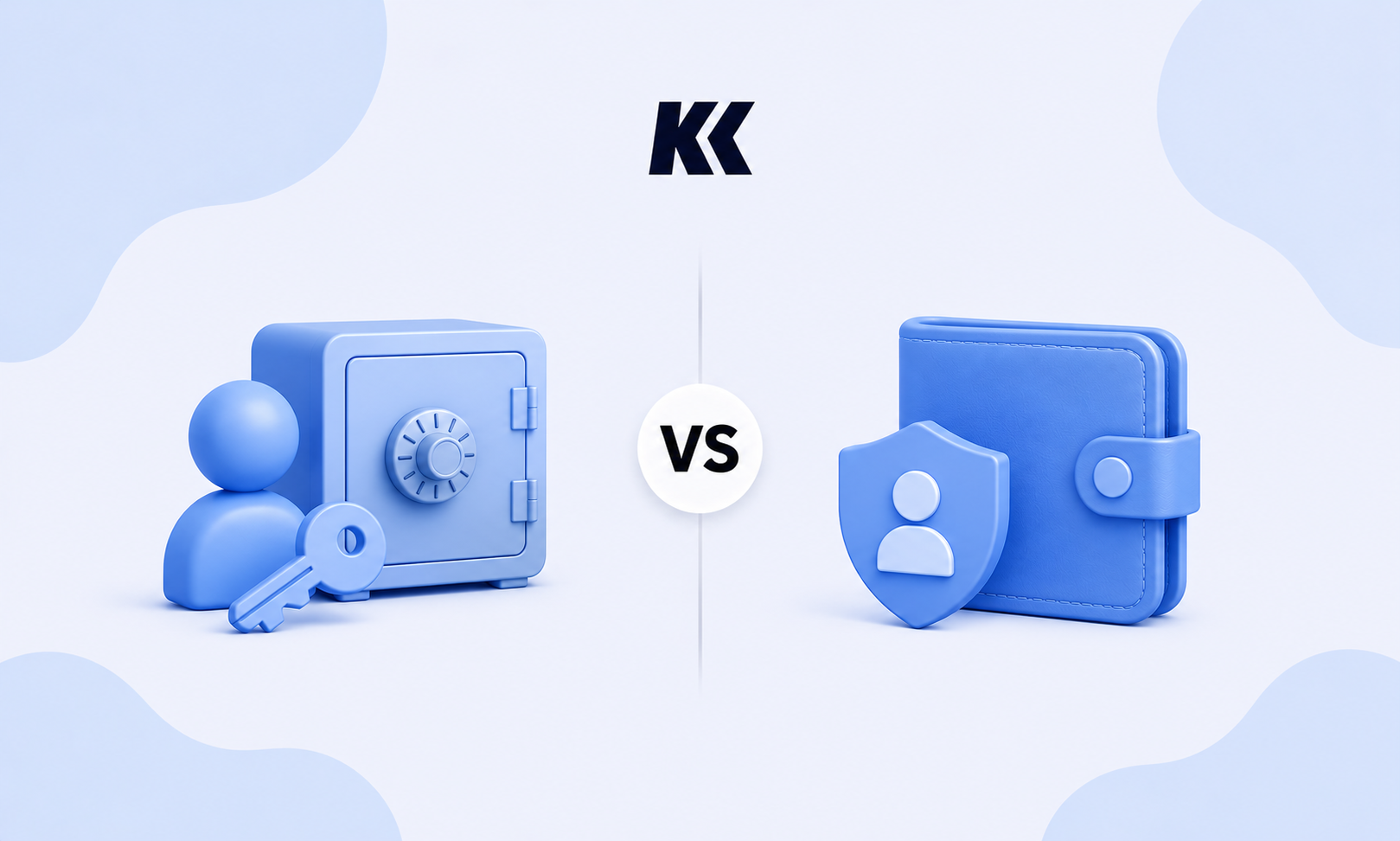
Custodial: Someone else holds the private keys on your behalf. Exchanges like Paribu, BTCTurk, and Binance TR use this model. You see a balance in your account but the assets are actually under the exchange's control.
Non-custodial (self-custody): You hold the private keys. KriptoK’s integrated wallet uses this model within a self-custody trading platform. You genuinely own your funds.
Think of a bank: when you open an account, the money feels like yours. But if the bank becomes insolvent, freezes accounts, or a financial crisis hits, you may not be able to access it. Crypto exchanges work the same way.
In self-custody, you control the keys used to authorize transactions. This removes reliance on a custodian, but security still depends on your device, backup practices, approvals, applications, smart contracts, and the underlying network.
Self-custody risks include losing the recovery phrase, device compromise, phishing, malicious transaction approvals, smart contract risk, and sending assets to the wrong address or network. If the recovery phrase is the only backup and is lost, recovery may be impossible.
One possible workflow is to buy crypto with TRY on an exchange, then transfer selected assets to a self-custody wallet. You combine the convenience of buying with genuine ownership.