
en
Learn how RWA tokens can represent stocks, funds, commodities and credit, including their structures, benefits, eligibility rules and risks.
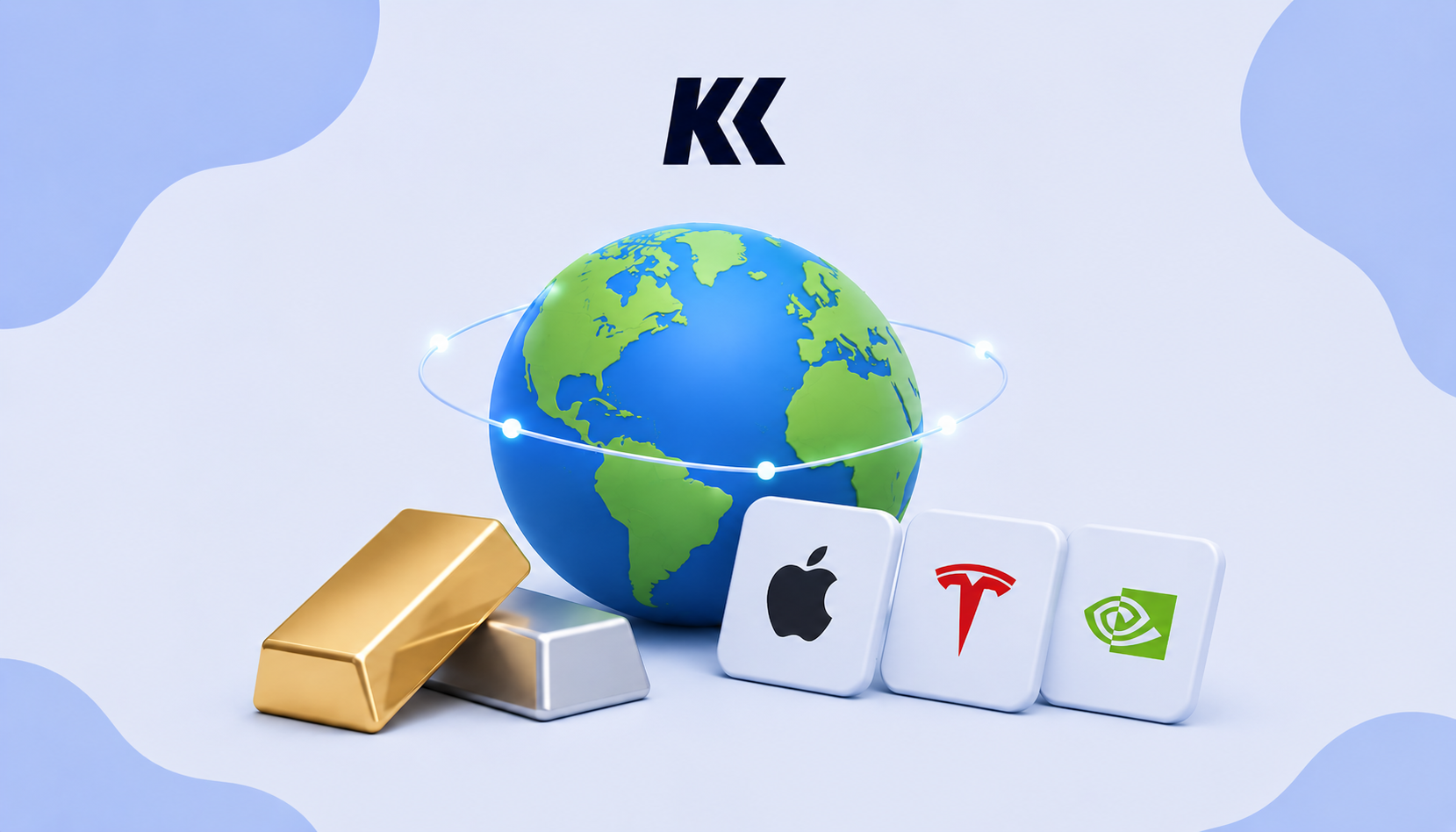
Real-world assets, usually shortened to RWAs, are blockchain tokens connected to assets, claims or cash flows that originate outside a blockchain. Examples include products linked to shares, ETFs, government debt, private credit, commodities, real estate and reserve-backed currencies.
Tokenization is a technical method, not a single legal structure. The SEC describes several models, including securities issued directly in token form, tokenized security entitlements and separate linked instruments that provide synthetic exposure. Two tokens that reference the same asset can therefore give holders very different legal rights.
These benefits are conditional. Issuers, custodians, brokers, market makers, oracles and legal administrators may still be involved. Tokenization does not eliminate intermediaries or guarantee instant settlement, continuous liquidity or worldwide access.
A blockchain may operate continuously, but the product around the token may not. Minting, redemption and price formation can depend on primary-market hours, issuer operations and available liquidity. Off-hours markets can have wider spreads and lower limits. Most US equity trades moved from T+2 to T+1 settlement in May 2024, so comparisons that still use T+2 are outdated. Onchain confirmation also does not necessarily complete the product's legal settlement or redemption process.
RWA products can be restricted by residency, investor classification, sanctions rules and KYC requirements. A token being technically transferable does not mean every person is legally eligible to acquire or redeem it.
KriptoK can display and route swaps for supported RWA tokens alongside crypto assets. Availability can change by issuer, network, region and liquidity route. Before any swap, verify the issuer, legal structure, contract address, network, estimated output, price impact and fees. KriptoK’s integrated wallet controls the blockchain token, while legal and redemption rights remain governed by the issuer documents.
Tokenization is being explored by asset managers, financial institutions and market infrastructure providers, but adoption and regulation are still developing. RWAs should be evaluated as individual financial products, not as a single asset class with uniform rights or risks.