
en
A beginner-friendly guide to DeFi, common activities, wallet connections, changing returns and the main risks.
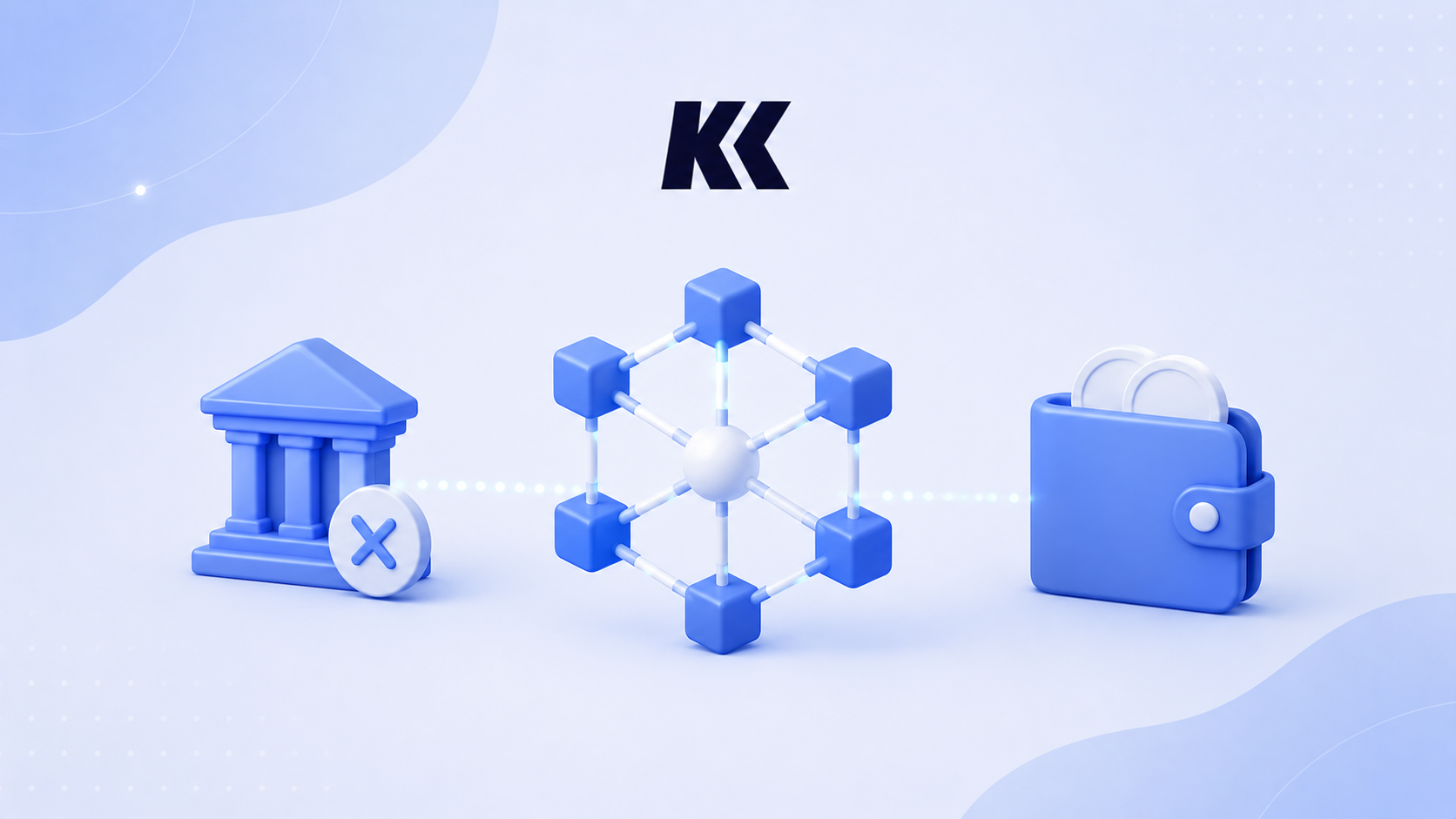
DeFi means decentralized finance. It describes financial applications that run through blockchain transactions and smart contracts.
Instead of asking a bank to process every action, you connect a wallet and interact with a protocol. However, DeFi is not completely free of companies or trusted parties. A protocol may still depend on developers, administrators, price-data providers, stablecoin issuers and website operators.
Returns are not guaranteed. Interest rates and token rewards can change quickly, and the value of deposited assets can fall.
Many DeFi protocols are available at any time and allow users to control their own wallet. But access can still be limited by the website, country, token issuer or local law. Some protocols also have administrators who can pause or upgrade parts of the system.
Connecting a wallet does not move funds by itself. The risk begins when you sign a permission or transaction you do not understand. WalletConnect can warn about suspicious domains, but its protection is not perfect.
How to Connect KriptoK to dApps via WalletConnect