
en
What is a stablecoin? What’s the difference between USDT, USDC, and other stablecoins? Which is safer? Learn the key concepts, practical steps and risks to.
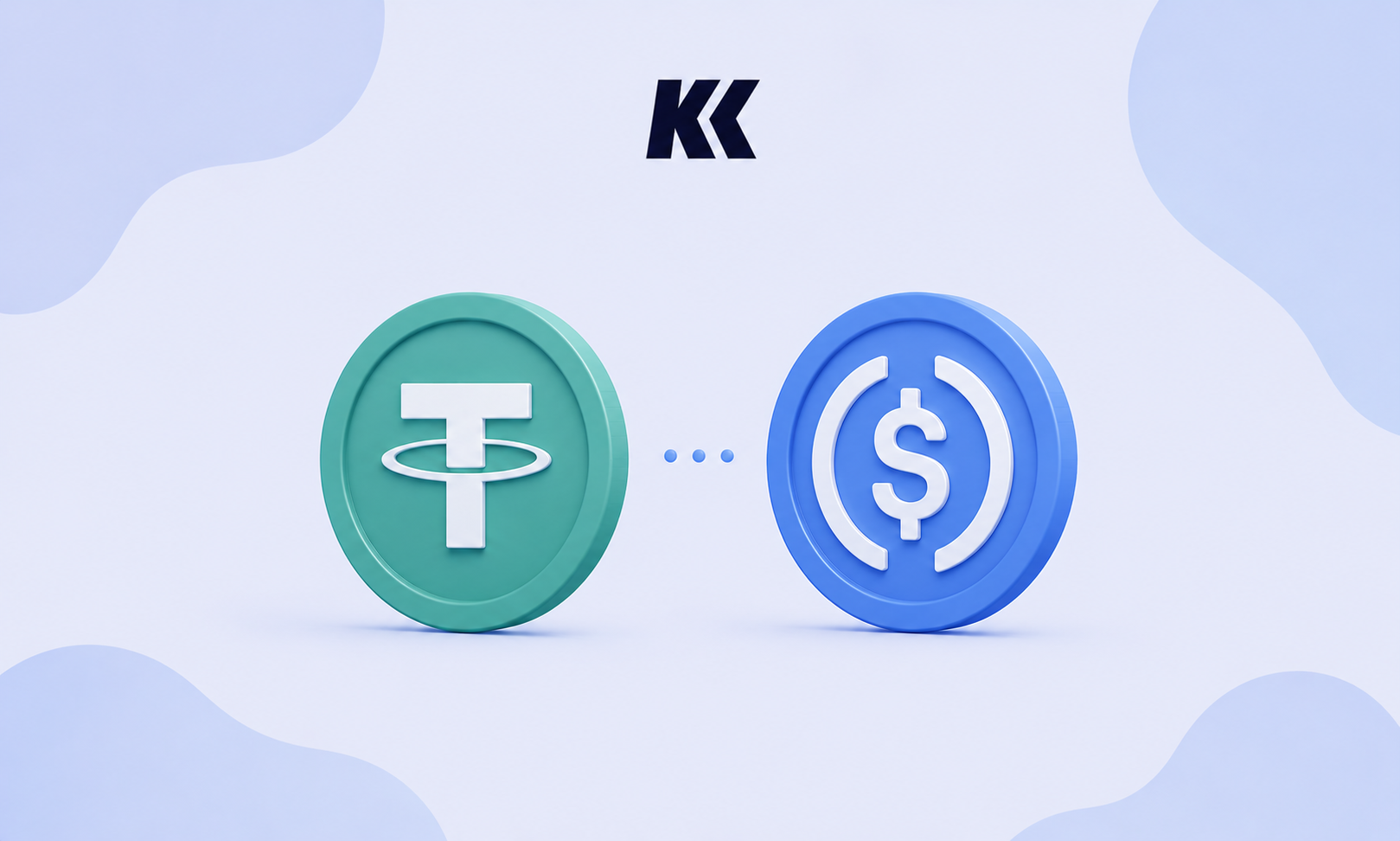
A stablecoin is a crypto asset pegged to a fiat currency, typically the US dollar. Its value stays close to $1 and doesn’t fluctuate like Bitcoin or Ethereum. It combines the speed and accessibility of blockchain with the stability of traditional money.
Issued by Tether, USDT is the largest stablecoin by market cap. Available on TRON, Ethereum, Solana, and many other chains. Highly liquid and widely accepted, though questions have been raised in the past about the full transparency of its reserves.
Issued by Circle, USDC is the more transparent stablecoin from a regulatory compliance standpoint. Its reserves undergo regular independent audits. It’s generally considered the most compliant stablecoin within the US regulatory framework, and is frequently preferred in DeFi protocols.
DAI: Issued by MakerDAO, decentralized and algorithmic. Relies on smart contracts rather than a company’s word.
PYUSD: PayPal’s stablecoin. Strong from an institutional adoption standpoint.
Stablecoins aren’t entirely risk-free. Two main risks:
KriptoK supports USDT and USDC across all chains where they’re available. You can hold, send, or swap stablecoins directly in KriptoK. You’ll just need a small amount of the chain’s native token for gas fees.